Banknote collecting: record and protect your first note
- Cost to start
- US$0 with supplies you own
- Difficulty
- Easy
- First result
- 30–45 minutes
A suitable holder costs extra; keep to a note you can spare
Describe what you see; leave uncertain varieties unresolved
One recorded note, a reference link and suitable storage
Start with a banknote you own, compare its issuer and design with a reference, record uncertain details, and choose storage that protects it.
What you need to know
-
One ordinary banknote you own
Choose an intact, dry, low-denomination note you can afford to set aside; keeping spendable cash ties up its face value.
-
A clear table and simple record
Work with clean, dry hands on a well-lit table, using paper and pencil or a text file; a magnifier is optional.
-
A correctly sized holder
Use an individual holder whose supplier identifies the material as inert polyester or Mylar, with room to insert the note without bending.
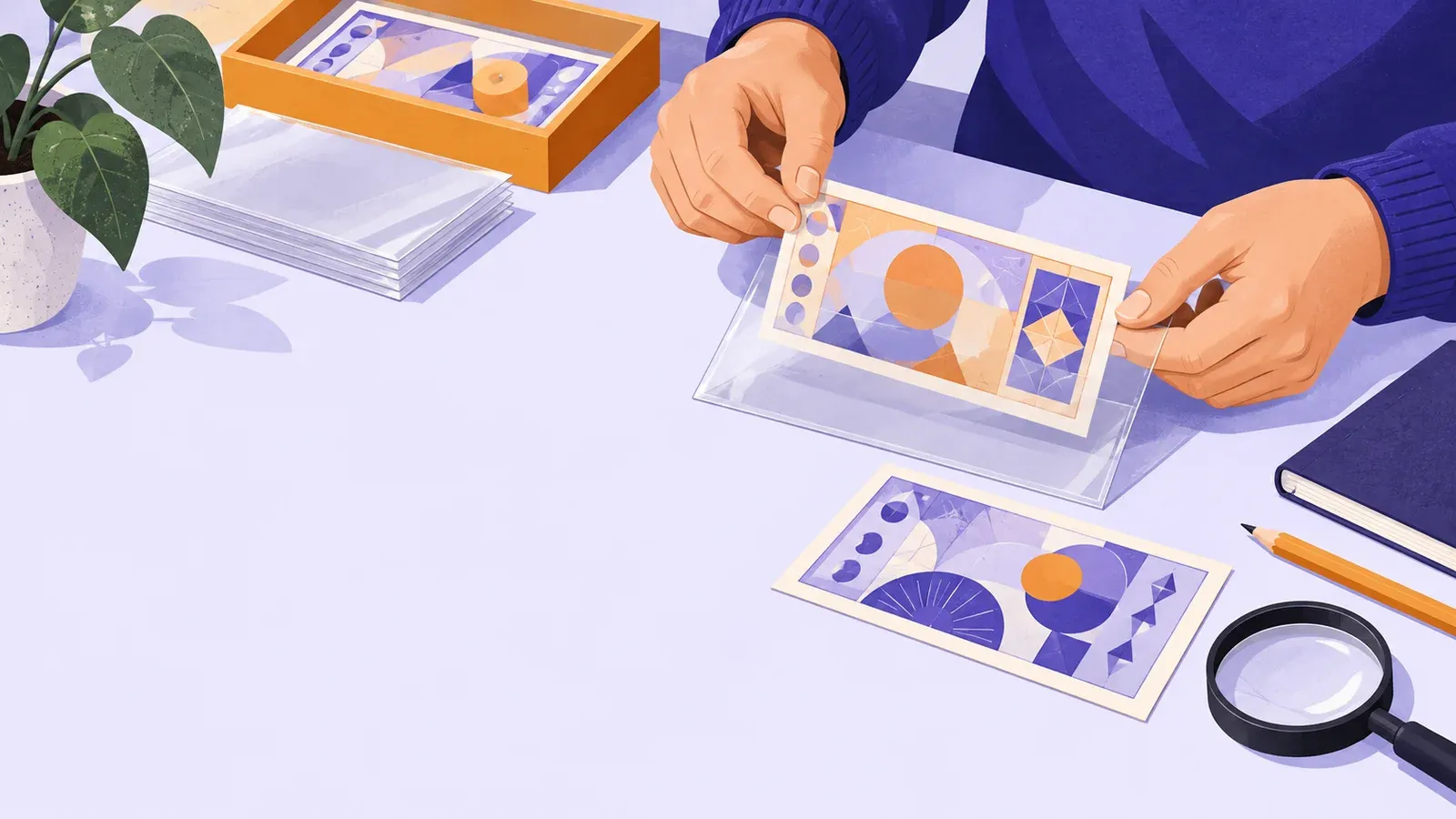
Banknote collecting, or notaphily, can start with one ordinary paper or polymer note from change or a trip. In 30–45 minutes, describe it, find a reference and house it.
Read the note before searching
Lay the note flat and examine both sides without rubbing. Copy any printed issuing authority, currency and denomination. Note any series, date, serial number or signatures and one design detail. Where you found it does not establish who issued it. Mark worn or unfamiliar lettering unreadable rather than guessing.
Search the issuer’s own reference if available, or filter Numista’s banknote catalogue by issuer and denomination. Compare both sides, lettering and design, then any listed series, date or signatures. Similar pictures can cover several varieties. Save the URL and write “variety uncertain” if the match is incomplete. A catalogue match does not authenticate the note or establish a price.
A printed year may differ from the note’s manufacture year. On U.S. notes, the U.S. Currency Education Program says the series year can reflect design approval or changed official signatures. Check another issuer’s explanation before interpreting its dates.
Record its condition and store it
Record where and when you got the note. If bought, keep the price paid separate from face value. Describe condition in plain words, such as “central fold, small edge tear”; skip a formal grade. Keep uncertain details marked uncertain.
Slide the note into its holder without forcing it. Put an ID in the record or on the holder, never on the note. The International Bank Note Society’s beginner guide recommends inert holders and protection from light, heat and moisture. Store it flat. Do not wash, iron, press or tape it. If it is stuck to something, seek experienced help instead of pulling it free.
For a second note, choose a small theme, such as one issuer, and a spending limit. Before buying, check actual-item images of both sides, condition, seller and return terms; keep the listing or receipt.

Identify a note and care for it
- IBNS beginner guideRead the International Bank Note Society's introduction to banknote features, collecting and storage.
- Numista banknote catalogueSearch by issuer and denomination, then compare the design and listed varieties.
- U.S. banknote identifiersFor U.S. notes, learn what the series year, serial number and other printed identifiers mean.