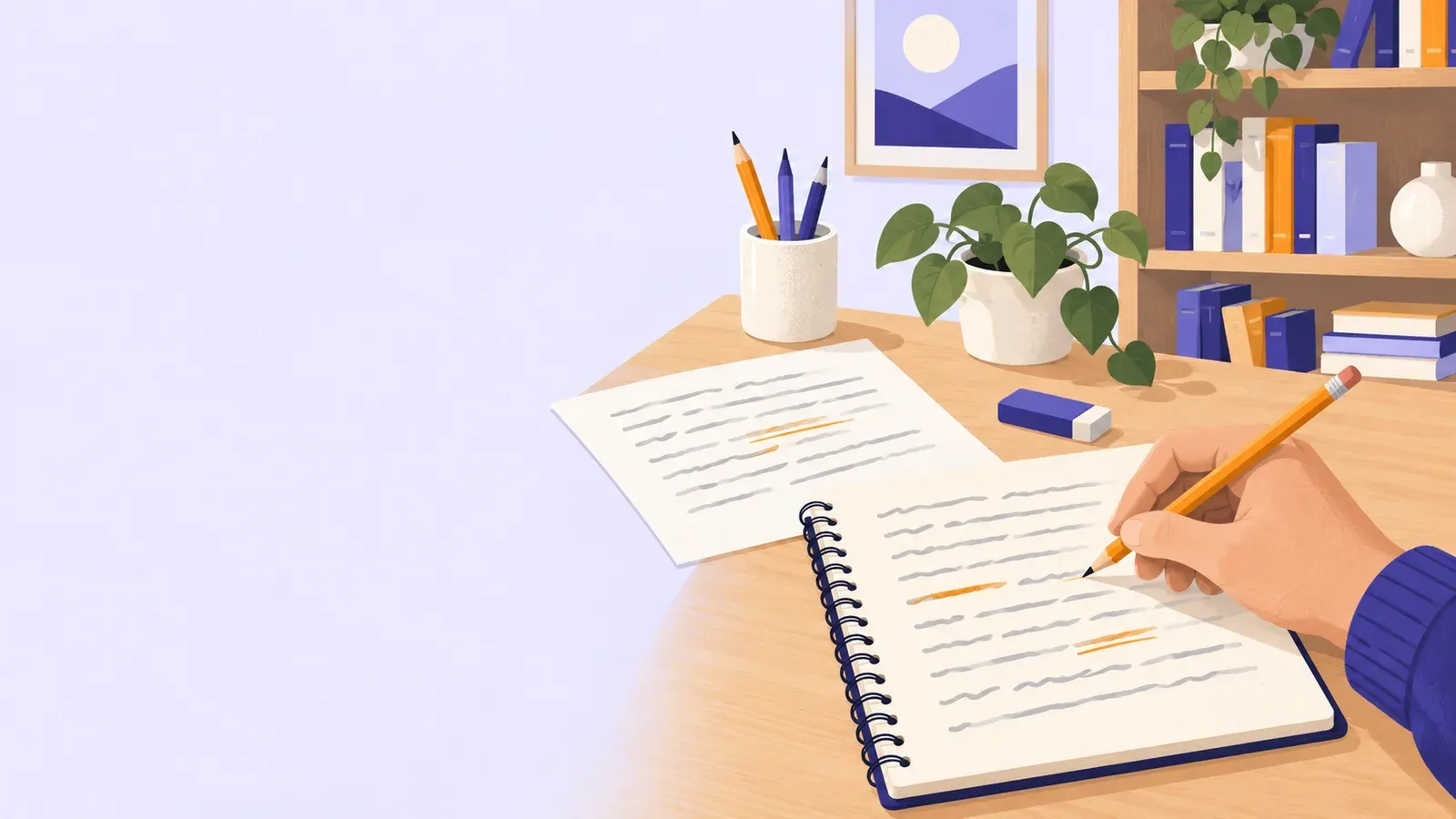
How to start writing with a short explanation
- Cost to start
- $0 with existing supplies
- Difficulty
- Beginner
- First result
- 45-75 minutes
Use paper or an existing device; writing software is optional
Revising meaning usually takes more than one pass
A revised explanation of roughly 200 words for one reader
Draft a short nonfiction piece about a familiar choice, revise it for one reader, and practice clearer sentences with tools you already have.
What you need to know
-
Use an ordinary writing tool
A pen and paper or a basic document editor is enough; save a copy before revising so you can compare versions.
-
Choose a familiar subject
Explain one choice you made, such as arranging a reading shelf by topic, and gather a few concrete notes about your reasons.
-
Name the reader
Pick one person who might care about the subject and note what they already know; this helps you decide which details to explain.
-
Keep facts traceable
Separate your preferences from factual claims; record sources for outside information and write the explanation in your own words.
Pick a small decision you can explain to a curious friend. This first session turns your reasons into a readable nonfiction piece.
Turn notes into a complete draft
Write the reader’s question at the top, such as “Why arrange books by topic?” List your answer, a concrete example, and any drawback. Purdue OWL’s starting advice offers other ways to generate ideas if a list does not help.
Draft about 200 words. Open with your answer, explain the reason, and show what it looks like in practice. For example, a shelf explanation could describe keeping field guides beside walking books so they are easy to find together. Acknowledge that a shared household may prefer another arrangement.
If you get stuck, write the example first. Leave a clear note where a fact needs checking and continue to the end.
Revise for what the reader needs
Take a short break, then read the whole piece. Can someone identify the choice and understand why you made it? Move background information that delays the answer, add missing detail, and remove a paragraph that wanders into another subject.
The UNC revision guide separates this work on meaning and structure from proofreading. Read your draft aloud to hear where a sentence becomes hard to follow.
Edit a sentence and test the result
Replace vague words with the object or action you mean. “This makes things better” might become “Grouping field guides saves me a search across several shelves.” Use wording that matches what you can support.
Cut repeated information and empty qualifiers, using UNC’s concise-writing examples as practice. Check spelling and punctuation last.
Ask a reader what they understood and where they wanted an example. Use that response to revise once more. Save both versions, then try explaining a different choice with the same small scope.

Starting and revising
- Purdue OWL on starting the writing processTry practical ways to generate ideas when a blank page stops you.
- UNC Writing Center on revising draftsCheck purpose, organization, and supporting detail before polishing individual sentences.
- UNC Writing Center on concise writingCompare examples of wordy sentences with revisions that keep the useful meaning.

Watch a sentence revision

Subreddits
Turn this into income
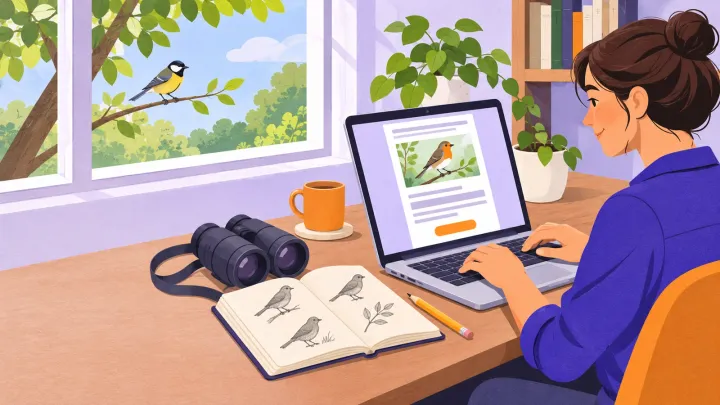
Start a paid birding newsletter with one free issue
Test an observation issue for US beginner birders, then price two monthly practice notes with clear signup and cancellation terms.

Start freelance editing with a bookshop newsletter
Make a marked and clean practice edit, price a bookshop newsletter job, then agree on queries, timing and payment before taking a client draft.